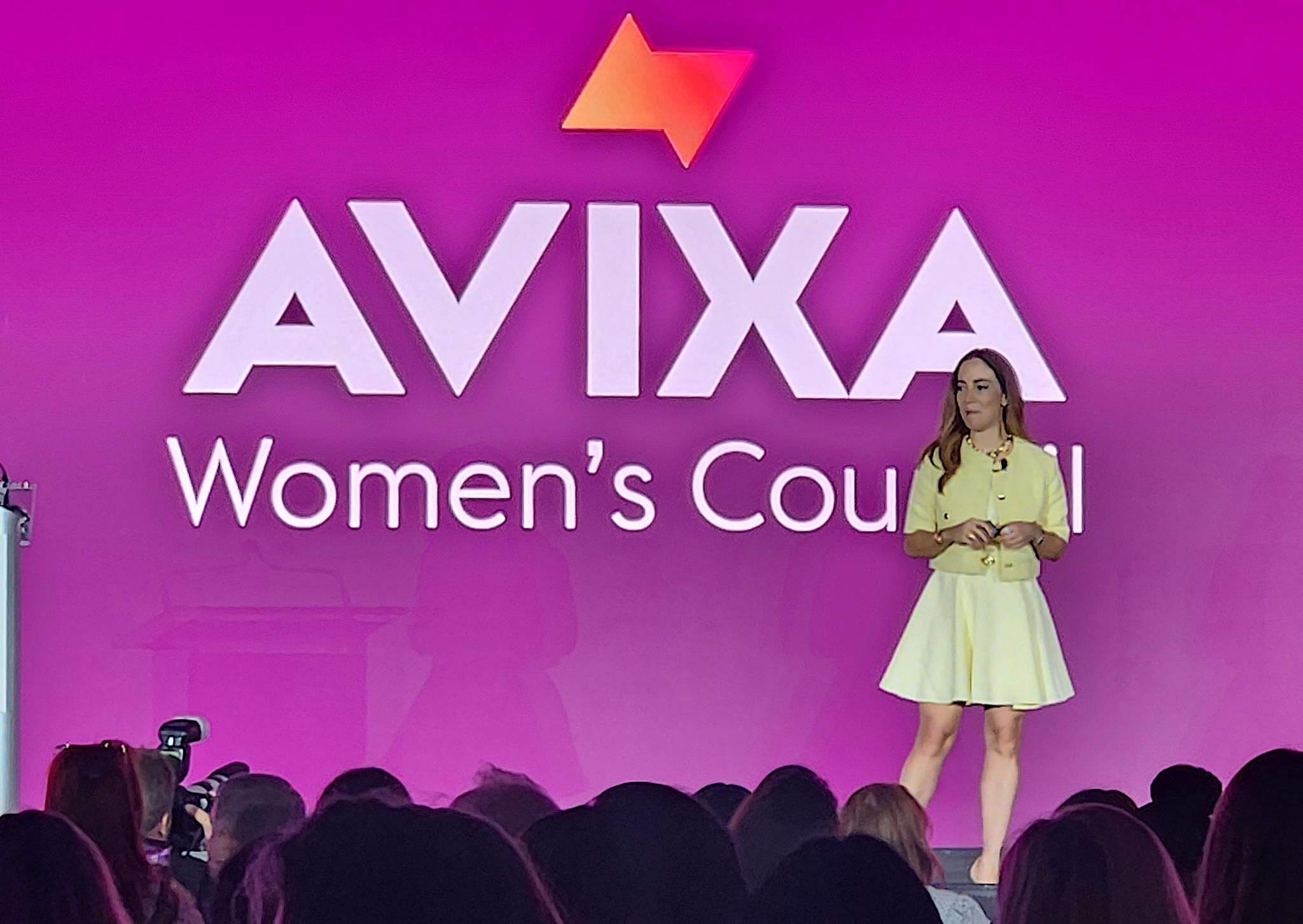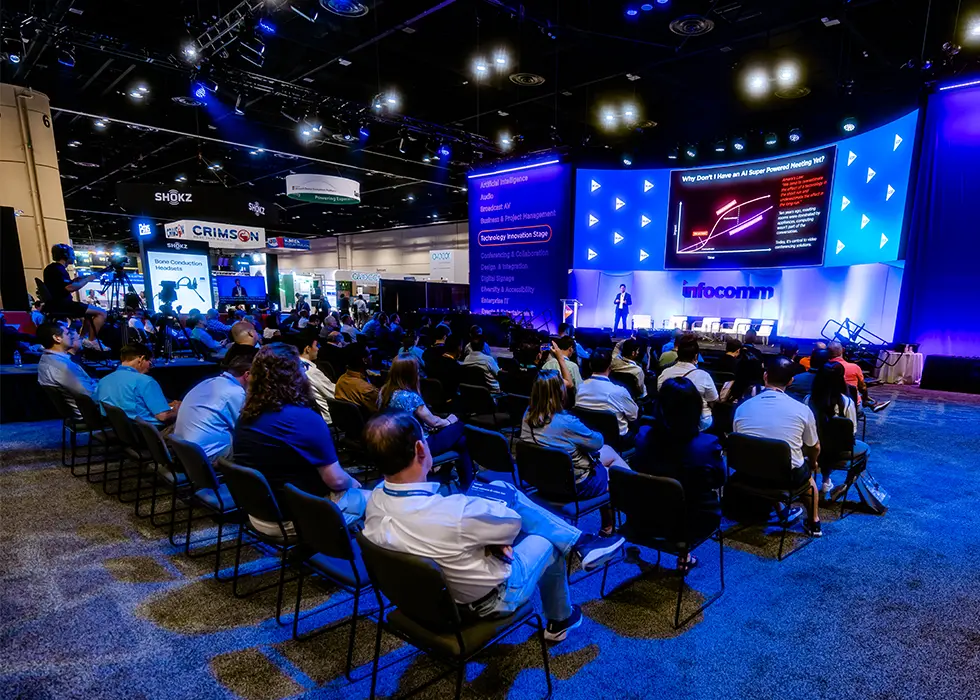
During her InfoComm 2026 session, "What Retailers Really Want: Trendcasting the Future," on the Vision Stage, Virtual Events Group (VEG) Founder Robin Raskin explored how retailers are adapting to changing consumer expectations while investing in tools and experiences designed to improve operations, drive engagement, and strengthen customer relationships.
"It's really important that technologists understand what retailers need," she stated. "Their needs are very specific, and if customers and retailers are going to be satisfied, they've got to understand each other."
Where Retailers Are Investing
Raskin identified several trends shaping the future of retail, including agentic AI, robotics, hyper-personalization, AI-assisted associates, intelligent checkout systems, and sensor-driven store environments.
One of the biggest shifts, she said, is how consumers search for products and services. Thanks to agentic AI, search is becoming more contextual, allowing shoppers to make complex requests and receive personalized recommendations.
To illustrate this, she shared a recent search she conducted while planning a trip to Germany. Instead of searching destination by destination, she asked AI to recommend a five-day bike trip near Berlin with specific requirements, including budget, location, and weather conditions.
"You have agents in the background changing how people search for things," she said. "Every retailer and every systems integrator is going to have to understand the shopper's journey."
AI Is Reshaping Search and Discovery
Beyond the customer experience, Raskin noted that agentic AI is expected to play an increasingly important role in supply chain management.
"Agentic AI will also be in the supply chain, depending on what the weather is going to be like for the next month, what didn't sell last year, and what's trending on social media. All of these things will dictate your supply chain, and done well, you will have the correct inventory."
Furthermore, she pointed to the growing use of robots in stores and warehouses, where they can assist with inventory management, customer service, and other operational tasks.
"You're going to see robots in front of stores greeting people, offering them loyalty points, wayfinding for them," she said. "You're going to see robots in the back of the store, and they'll be doing the heavy lifting and doing the inventory."
Raskin also highlighted inventory tracking technologies, including RFID, IoT, and sensor-filled stores that can provide insight into everything from inventory levels to customer traffic patterns.
AI-Augmented Store Associates
At the same time, retailers are putting AI-powered tools directly into the hands of employees. Using Tractor Supply as an example, she described associates using large language models to answer detailed customer questions ranging from grain feed recommendations to weather conditions.
Similar tools are beginning to appear at Home Depot and Walmart, giving employees access to information that can help them better assist customers.
"So not getting rid of human labor but augmenting it with AI," she said.
The Push Toward Hyper-Personalization
Another major trend is hyper-personalization. From climate-aware digital signage to targeted promotions and customized recommendations, retailers are finding new ways to create more relevant shopping experiences.
"You know me. You know what I like. Give me more of it," Raskin said, describing the expectations many consumers now have of brands.
She pointed to Sephora as an example, noting that customers increasingly appreciate recommendations based on previous purchases and preferences. The challenge, she noted, is balancing personalization with trust and security.
Every Retailer Is a Media Company
One of Raskin's most memorable observations focused on content creation.
"Every retailer is a media company," she stated. "Do not think for a minute that is not true."
One example she pointed to was Dick's Sporting Goods, which has built a robust YouTube content operation featuring interviews with athletes, local sports coverage, product reviews, and other programming designed to connect with customers through shared interests.
"They are a full on-prem production team," she said, adding that the operation has become a profit center by featuring merchandise from many of the retailer's suppliers.
She also cited examples from Home Depot and Neutrogena. Neutrogena's skin cancer awareness program featuring Kerry Washington demonstrated how retailers and brands are using original content to educate consumers while strengthening relationships with their audiences.
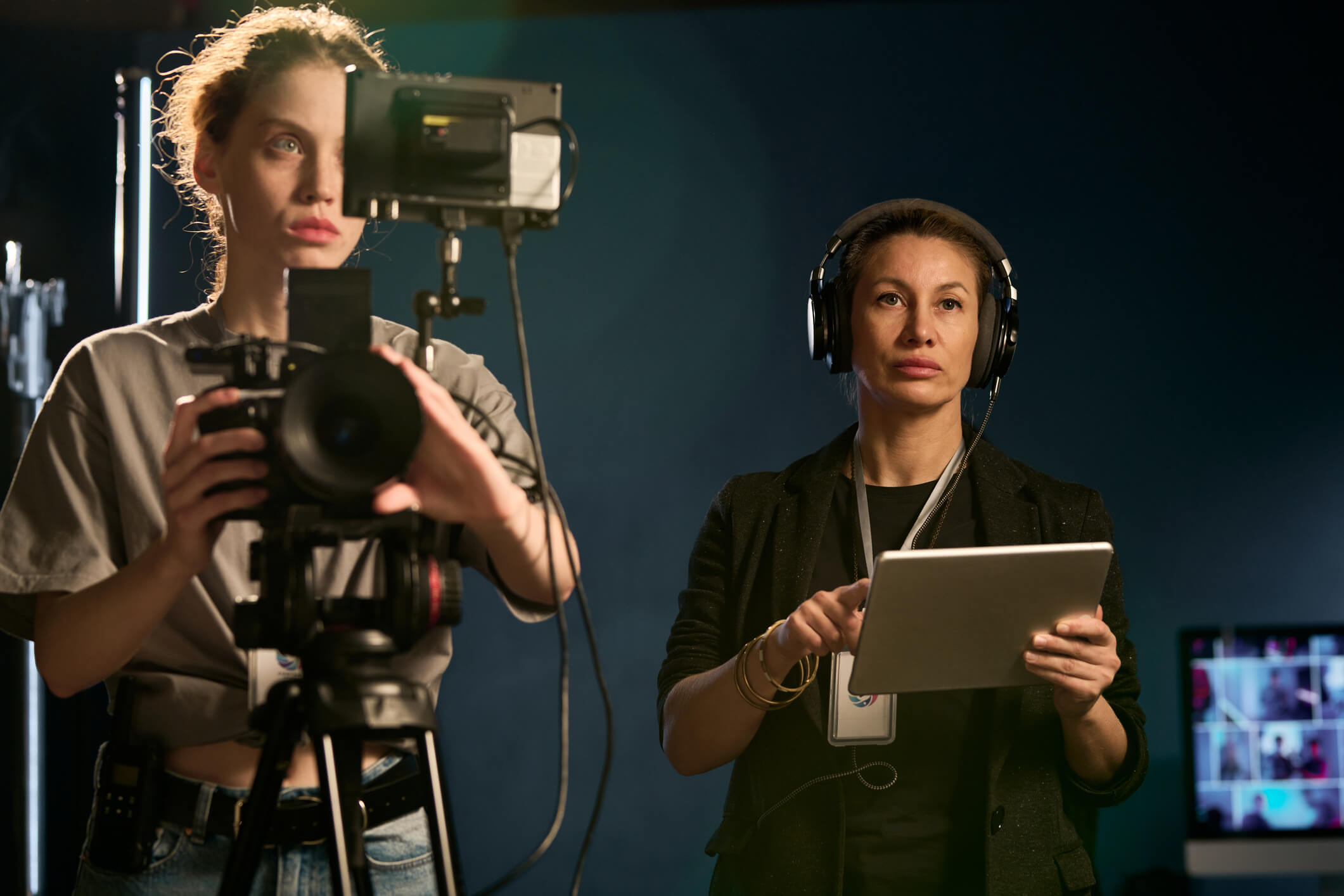
For AV professionals, the trend represents a growing opportunity. Whether content is produced in-house or through outside partners, retailers increasingly need production studios, display technologies, and content delivery systems to support these efforts.
The Truth About Retail
After discussing emerging technologies, Raskin shifted her focus to what she called several truths about today's retail landscape.
Despite years of predictions that e-commerce would replace brick-and-mortar stores, consumers continue to value shopping in person.
"Physical retail is actually growing," she said. "It's not growing enormously, but it is growing year over year because people are hungry for experiences, for emotional contact, and for touching the product."
Raskin also challenged the notion that online shopping has become the dominant way consumers make purchases. While many customer journeys begin online, consumers often still prefer to compare products in person before making a purchase.
She further noted that stores are taking on a new role as fulfillment hubs. Using Instacart as an example, Raskin explained that many online grocery orders are fulfilled locally. Retailers such as Target and Walmart are taking a similar approach by using nearby stores to fulfill online purchases when possible.
Why Experience Still Matters
Perhaps most importantly, she argued that retailers must focus on giving customers reasons to visit. Pointing to examples such as yoga classes at Lululemon, book nights at Barnes & Noble, cooking demonstrations, and wine pairings, Raskin said these experiences help build relationships that extend beyond transactions.
She also highlighted retailers such as Lowe's and IKEA, which allow customers to begin the shopping journey online through planning and design tools before visiting a store to see products in person.
"There are so many things that stores can do to make themselves the center of the community and to have an emotional tug on their customers," she said.