

Sony AV Tech Expo - San Jose
San Jose, CA
9:00 AM - 6:00 PM, Pacific Standard Time
Sony Professional Display Solutions AV Tech Expo
Sony AV Tech Expo - San Jose
San Jose, CA
9:00 AM - 6:00 PM, Pacific Standard Time
Sony Professional Display Solutions AV Tech Expo

Get your free Ticket for ISE 2027
L’Hospitalet de Llobregat - Barcelona, Spain
10:00 AM - 6:00 PM, Central European Standard Time
GET YOUR FOC REGISTRATION CODE NOW! The world-renowned annual tech show for the systems integration and audiovisual industry in Barcelona, Spain.
Sony AV Tech Expo - Kansas City
9:00 AM - 6:00 PM, Central Standard Time
Sony Professional Display Solutions AV Tech Expo
Sony AV Tech Expo - Atlanta
Lawrenceville, GA
9:00 AM - 6:00 PM, Eastern Standard Time
Sony Professional Display Solutions AV Tech Expo

Providing more certainty in an increasingly uncertain world: AV design for flexibility
2:00 PM - 3:00 PM, Greenwich Mean Time
Today’s AV projects exist in a Volatile, Uncertain, Complex, and Ambiguous (VUCA) environment. So how do we approach uncertainty?
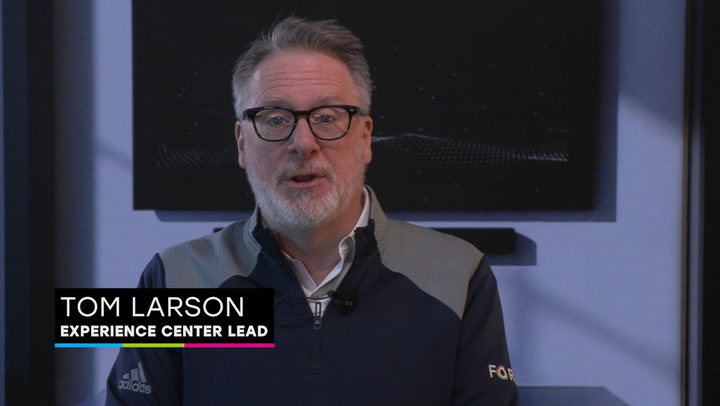
Tech In 2 - Ep 20 - Your Meeting Room Sounds Fine…Until Someone Joins Remotely
Poor meeting room audio can leave remote participants struggling to hear, contribute, and collaborate effectively. In this episode of Tech in 2, Tom Larson, Experience Center Lead at FORTÉ, explores four essential elements of effective meeting room audio: microphone placement, room acoustics, speaker coverage, and AI-powered audio enhancements available through platforms like Microsoft Teams and Zoom. Discover how thoughtful audio design can improve meeting equity and create a better collaboration experience for everyone, whether they're in the room or joining remotely. Great audio is the foundation of meeting equity.

Tech In 2 - Ep 18 - Why Does Every Meeting Start Five Minutes Late?
Connection problems, unresponsive cameras, and complicated meeting controls can turn a simple meeting into a frustrating experience -- and cost organizations valuable productivity. In this episode of Tech in 2, David Watkins, Director of Global Delivery at FORTÉ, explains how FORTÉ Velocity pre-engineered meeting room solutions simplify collaboration with one-touch-to-join capabilities, consistent user experiences, and reliable performance. Discover how standardized meeting room technology helps organizations reduce delays, accelerate deployments, and make every meeting more productive. Because reliable meetings begin before participants walk into the room.
Tech In 2 - Ep 16 - The Hidden Cost of Collaboration
In FORTÉ’s “The State of Modern Collaboration” research study, meeting space technology can both frustrate employees who simply want tools that help them collaborate and consume valuable IT resources – especially when the technology solutions don’t work as intended. The study shows that IT decision makers say they could reclaim up to 52 hours per month if meeting technology issues were eliminated within their enterprise. Here’s how to get some of this time back: 1. Shift from reactive to proactive. Use monitoring systems to identify potential issues before they take down meeting room technology. 2. Gain early visibility to reduce the need for emergency support. 3. Design for operational efficiency. The goal is to create the best user experience AND reduce the IT workload required to support the solutions used across the organization. Every minute spend troubleshooting meeting solution issues is a preventable cost. Reduce support tickets and enable your IT staff to focus on other critical issues.
Tech In 2 - Ep 15 - Designing for Reliable Meetings
Meetings fail because the technology solution that’s in place doesn’t work like it was intended. In short, the solution lacks reliability. Connection issues, join friction and inconsistent audio or video all result in lost productivity and a less-than-ideal user experience. Your AV should be designed to eliminate these failure points. If you approach meeting room solutions with these three things in mind, you’ll eliminate a lot of frustration: 1. Design around workflow 2. Simplify the meeting experience 3. Prioritize performance and consistency From pre-configured solutions to highly customized rooms, FORTÉ strives to design the technology your teams need with reliability in mind – resulting in dependable rooms and user experiences.
Tech In 2 - Ep 14 - 3 Tips to Enhance Collaboration Spaces
When it comes to collaboration, the meeting room is more than four walls. These spaces are where decisions are made, ideas are shared, and teams connect. Designing the right technology solution for these spaces is vitally important. The first step is understanding the purpose of the room and how the technology will be used. Meeting room size and use case drive every aspect of the technology used to support the space. Step 2 is choosing the right audio and video technologies for the space. Invest in quality speakers and microphones to capture every voice. And make sure cameras are positioned correctly so all participants feel like they’re in the room. Also, provide end users with the content sharing tools they’ll need to be productive in every meeting. Interactive displays and wireless connectivity that work every time. Lastly, ease-of-use matters. People expect one-touch-to-join functionality and integrated platforms like Teams, Zoom and Webex, help eliminate user frustration and keep meetings running smoothly.
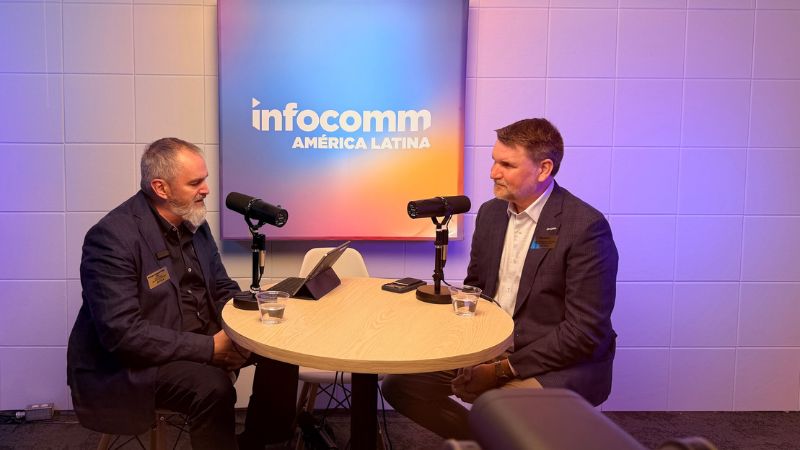
Podcast: O futuro dos espaços de trabalho
John Bailey, da AVI-SPL, aborda inteligência artificial, colaboração e novas oportunidades para o mercado audiovisual da América Latina.
Podcast: El futuro de los espacios de trabajo
John Bailey, de AVI-SPL, conversa sobre inteligencia artificial, colaboración y nuevas oportunidades para la industria audiovisual latinoamericana.
Sign up and customize your email subscriptions to stay connected and receive the information you care about most.