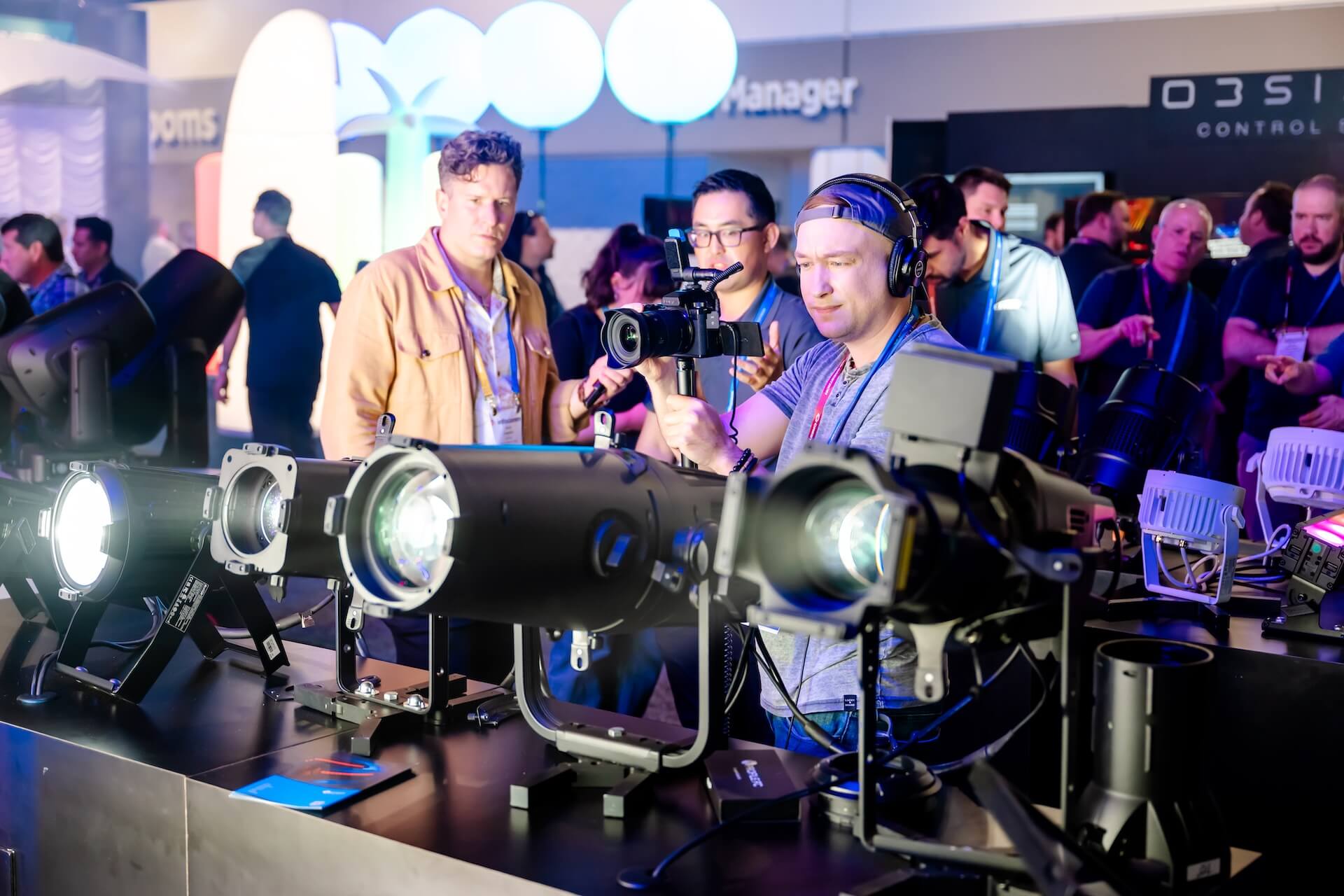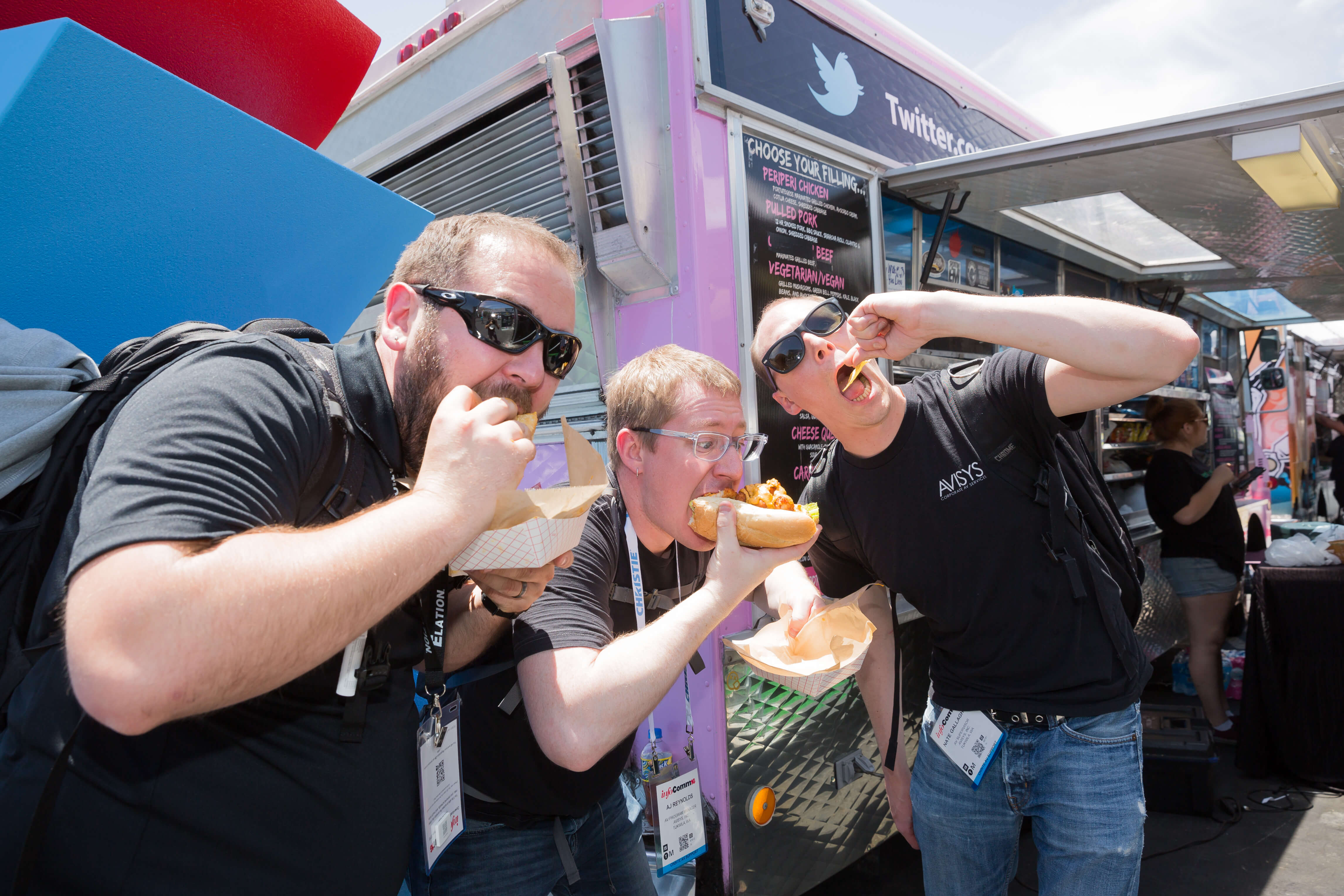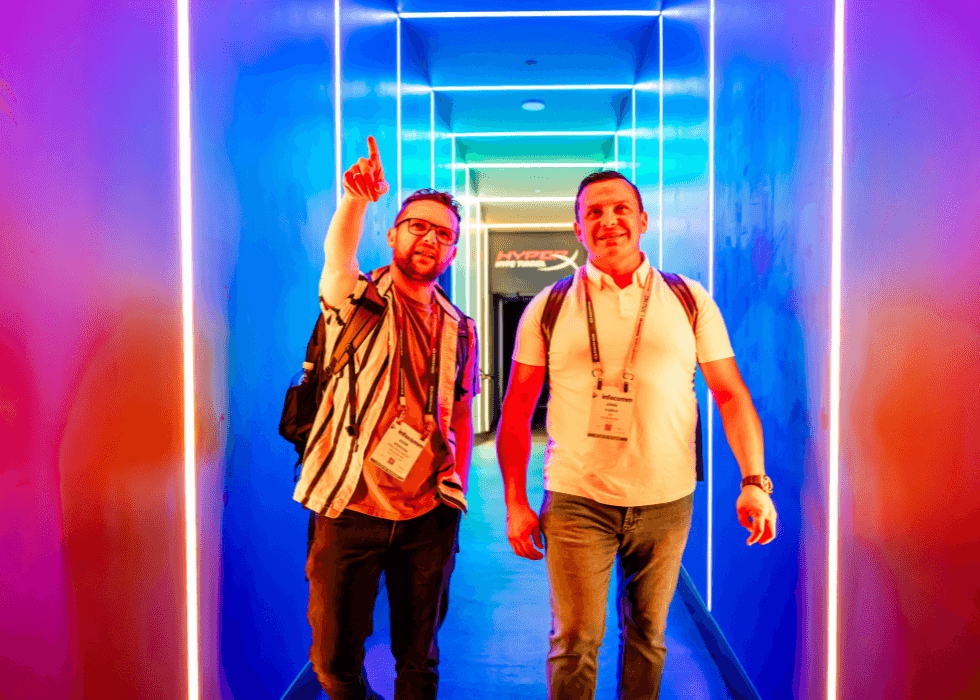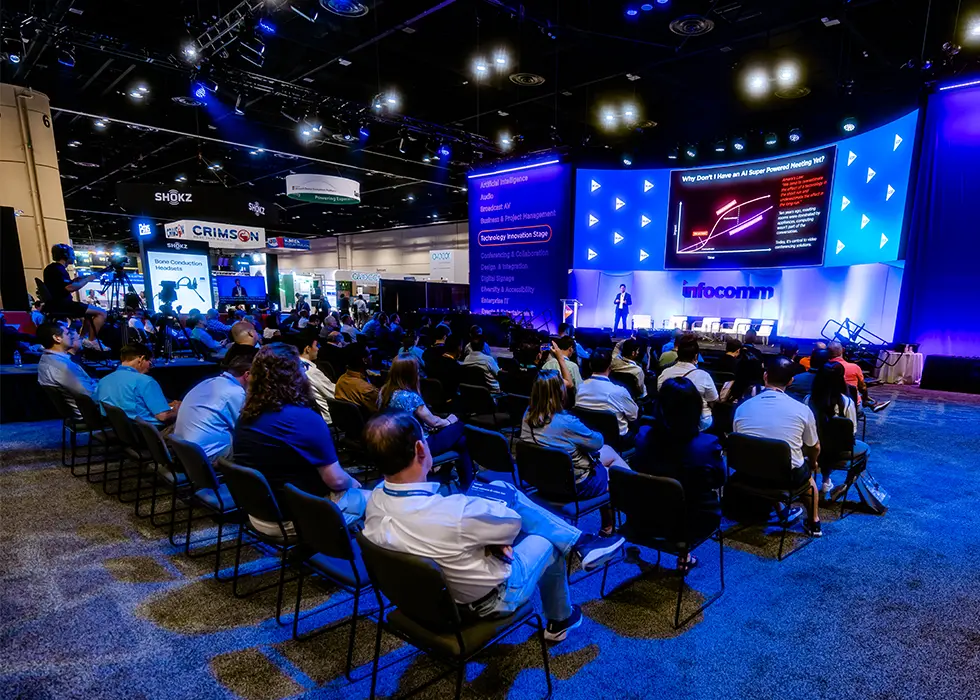
We all love InfoComm for its palpable energy. Booths as far as the eye can see. Swarms of people from all over the globe. The most advanced technology humming across the entire convention center.
But all of these things are easily recreated each time we gather for the biggest AV trade show in North America.
It’s the people, conversations, and human connection that goes beyond the buzz of the show floor.
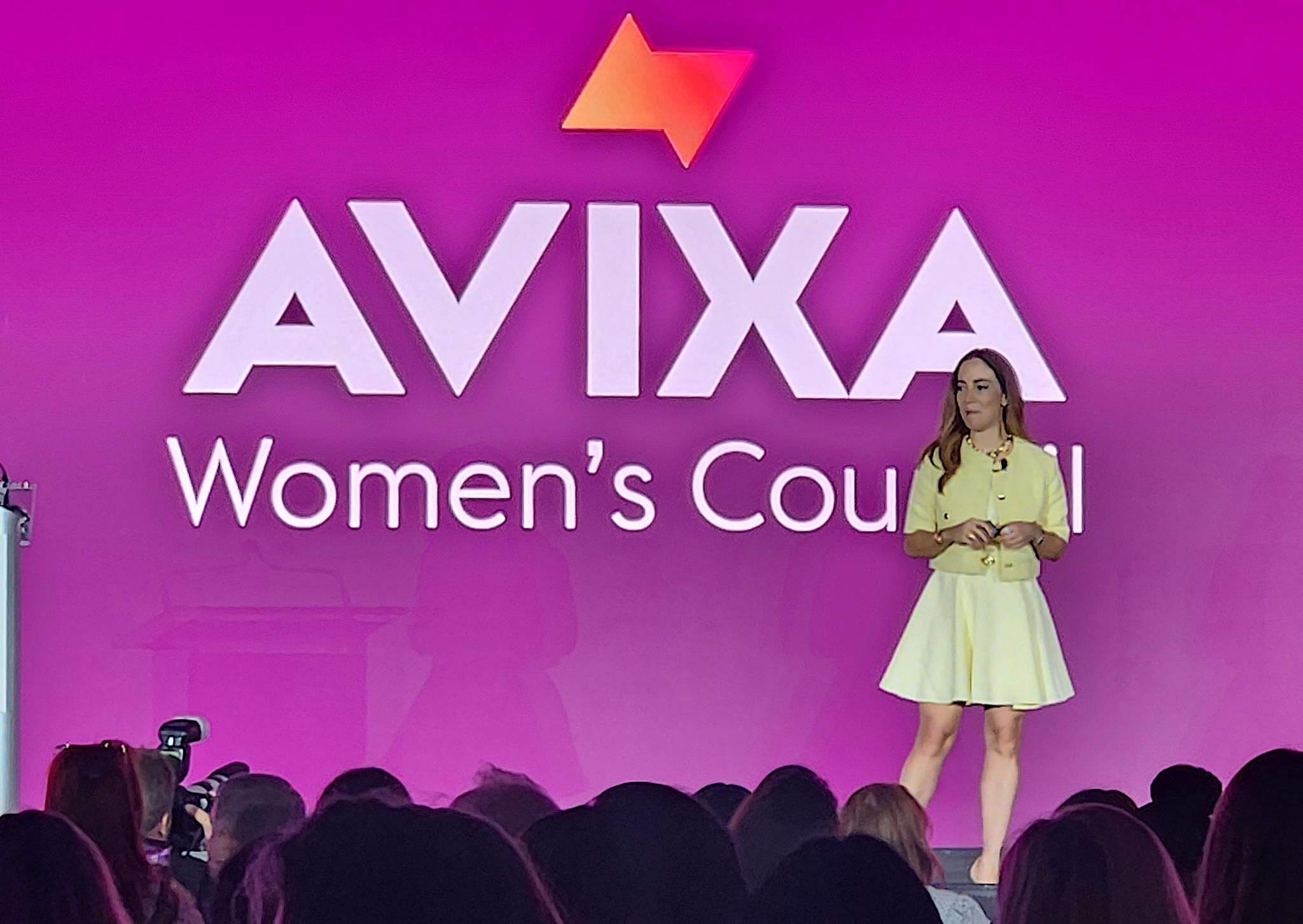
That was the heartbeat of Mariana Atencio's keynote, "Building Trust in AV," delivered to a sold out AVIXA Women's Council breakfast during InfoComm 2026. The Peabody Award-winning journalist and storyteller had walked that same show floor the day before, surrounded by the newest gear the industry has to offer. And her takeaway cut straight to the core of what AV professionals really do.
"You are not in the Pro AV business," she told the room. "You are in the trust business. And in the age of AI, that's the only business worth being in."
Why Trust Is the Currency That Can't Be Faked
Atencio's relationship with trust started on a mountain trail in Venezuela. While on a hike at age 23, a man emerged from the bushes, pressed a gun to her forehead, and ordered her to count to 100. She kept her life, but lost something else that day. It took her years to rebuild trust in her country.
That loss became her life's work. As a journalist, she reported from Haiti, Hong Kong, and the Syrian border. Her crew trusted her with their lives while she trusted herself to deliver information that could save others. The control room trusted her to come through when the stakes were highest.
It’s not a coincidence that this sounds familiar to many of us working in this industry. This is exactly where Pro AV sits right now.
The technology you mastered five years ago may be obsolete tomorrow. AI constantly raises questions about the future of our livelihood. Will we still have jobs come next year, in six months, or even tomorrow? Add supply chain disruption, economic uncertainty, and an aging workforce, and the ground can certainly feel like it's shifting beneath your feet.
Yet according to Atencio, there is one thing that holds its value through all of it. Trust is hard to earn, easy to lose, and impossible to fake.
Think about what clients actually hand to AV professionals. The boardroom used to announce a merger. The arena where 20,000 fans show up for a crucial game. The house of worship on its most sacred day. Your clients might not speak your technical language, but they don't need to. Sadly, nobody leaves a concert raving about the cables. Your best work in AV is invisible by design.
What the client is actually buying from you is certainty. They just need to know that when the lights go down and the mic goes live, it simply works. It's a promise they can't verify until the exact moment it matters most.
AVIXA has been gathering professionals since 1939. Nearly 90 years of standards set, promises kept, and a community that stretches from small integrators to giants like Cisco, Microsoft, and Zoom. The industry hangs its hat on the coveted CTS, but there's no certification for trust. It can’t be handed to you; it has to be built.
So how do you build something that can't be installed or uploaded? Atencio laid out a three-layer architecture that is built in sequence.
Layer One: Self-Trust
After 15 years of covering hurricanes, earthquakes, presidents, and popes, Atencio learned that trust begins with the self; It starts with that gut instinct telling you what you already know. When you can't even trust what your own eyes are seeing, you can only lean on yourself.
Self-trust, she argues, is built at eye level. It won’t be found in your inbox or your tech stack. It starts with the face you see in the mirror.
Atencio mentioned psychologists Duvall and Wicklund who found that mirrors make us measure ourselves against our own standards, and that can feel deeply uncomfortable. Atencio reframes this through the idea that discomfort is information. You can't make another person feel safe under your gaze if you can't hold your own reflection first.
Layer Two: Team Trust
Once you trust yourself, you can build trust with others. And the tool you need is simply your eyes.
In 2023, researchers from McGill University and Université du Québec à Montréal found that even in a good in-person conversation, people lock eyes less than 4% of the time. We're all looking down, looking away or looking at screens, and an entire generation is learning to connect without ever really connecting.
For an industry that has spent decades perfecting how human beings see and hear one another, Atencio offered a beautiful reframe. Pixels, resolution, and lighting are all in service of human connection. So today, she said, let's run the oldest display technology in the world: the human eye. Infinite resolution, no update required.
Layer Three: Organizational Trust
The final layer is the biggest: purpose. The why behind everything you do.
In August of 2018, Atencio and her three-person NBC crew were trapped in Oak Island, North Carolina as Hurricane Florence closed the bridges. They had nowhere to safely stay as the winds and downpour took over the town. In her final live shot, she interviewed Paul, a local resident who'd decided to ride out the storm. According to Atencio, Paul was arguably the most prepared man she'd ever met.
When the cameras stopped rolling and the rain fell harder, she had one move left. She looked Paul in the eyes, human to human, and asked: Can you take in four homeless journalists? Every credential she had was working against her. The media wasn't something Paul was inclined to trust. And yet, something in him decided to.
He took them in, and one night eventually turned into a whole week. They did laundry, made soup, and even sang songs. Paul started joining the crew to cover the storm and traveled with them all the way to South Carolina. "It's been great to see this country from your eyes," he told her.
That trust wasn’t built by AI or an algorithm. Just eye contact and the courage to ask.
The Neuroscience Backs It Up
If you think trust is a soft skill, the data says otherwise. Atencio pointed the room to Harvard Business Review's "The Neuroscience of Trust." In high-trust organizations compared to low-trust ones, the numbers are staggering:
106% more energy
50% higher productivity
74% less stress
But why does trust unlock so much? Research shows that when you can be yourself with the people you work with, you stop wasting energy on posturing, pretending, or what many refer to as “the mask.” That reclaimed energy goes straight into the work, the ideas, and the relationships that actually move the needle.
Three Moves to Start Today
Atencio left the room with three actions anyone can put into practice immediately:
Hold your own gaze. Tomorrow in the mirror, say "I am" and one word that you believe is the basis of your identity. Trust that you can navigate the uncertainty and lead your team where it needs to go.
Hold their gaze. With every person you meet, give them 60 seconds of genuine attention. This builds authentic trust that you can’t replicate with technology.
Let them see your why. Lead with your intention before your proposal, and trust will follow.
Atencio reminded everyone in the room that the InfoComm show floor is the perfect practice field. There are thousands of people and every one of them is a connection waiting to happen.
In the AV industry, the truth that outlasts every product cycle is that every single day, someone decides whether to hand you the most important thing they have: the room where their biggest moments will unfold. Don't take that lightly.
Trust is built at eye level. Go prove it.