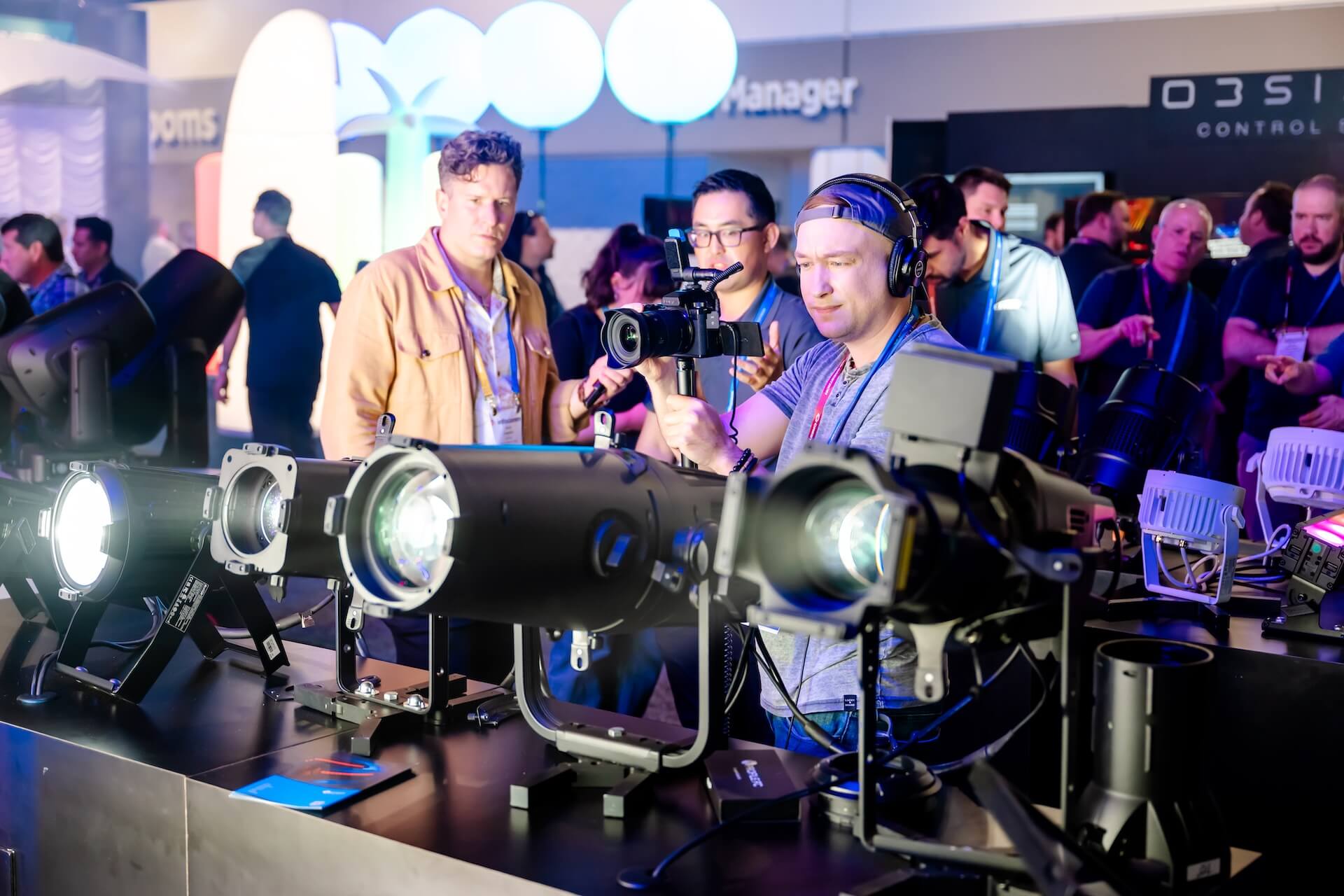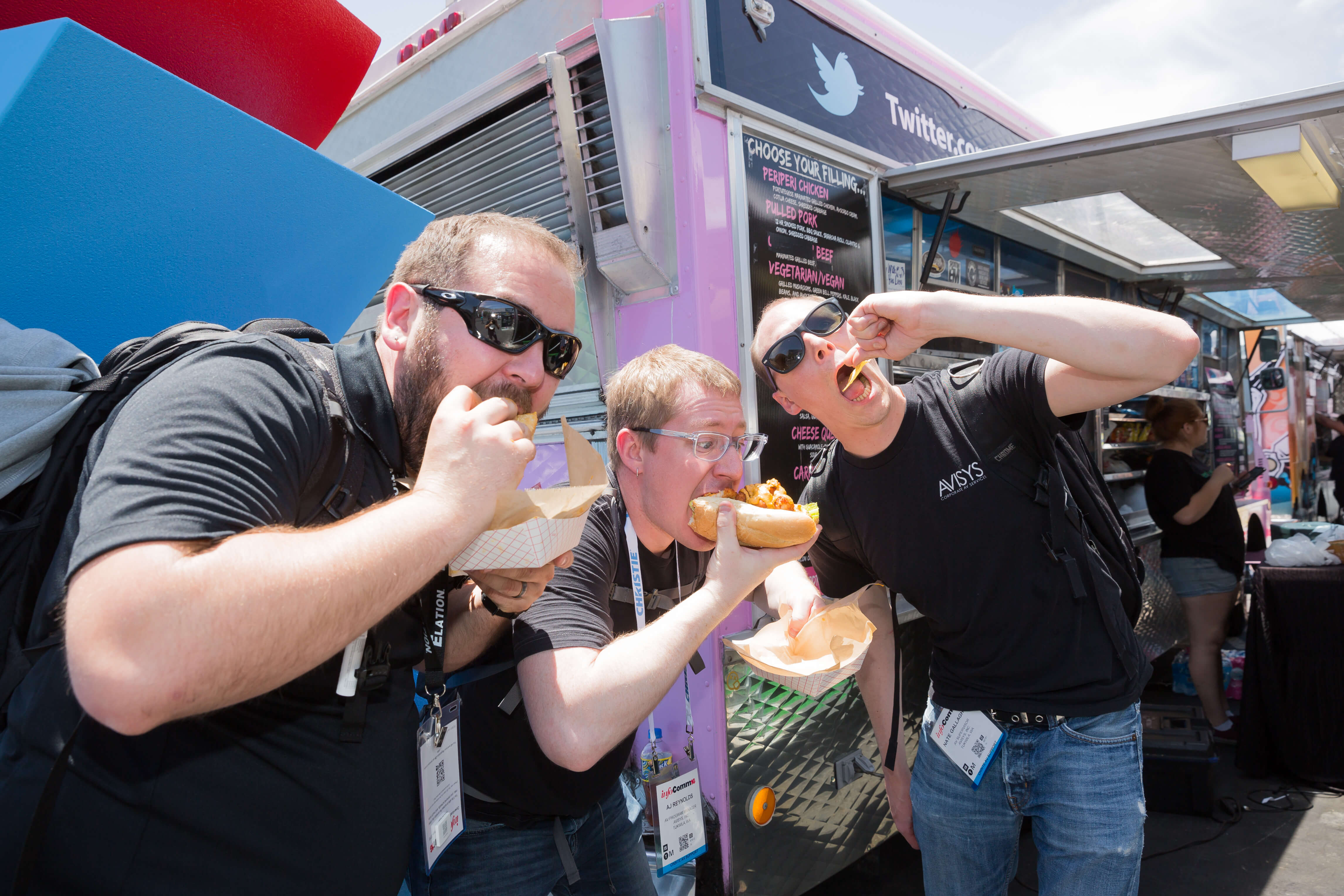
One of the best parts of InfoComm happens outside the convention center.
Each year, the Integrated Experience Tours give attendees the chance to see how AV technology is being used in real-world environments. Rather than looking at products inside a booth, participants can walk through working facilities, meet the people behind the installations, and hear firsthand what worked, what didn't, and what changed after the systems were put into daily use.
One of this year's tours returned to the University of Nevada, Las Vegas (UNLV) Kirk Kerkorian School of Medicine, which first welcomed InfoComm attendees in 2024. While the five-story building itself hasn't changed, many of the technologies and workflows inside it have.
Led by James King, assistant director of AV services at UNLV, the tour offered an inside look at how the medical school's AV systems have evolved over the past few years.
Loading...
Building a Campus-Wide AVoIP Network
Attendees began in the learning studio, where King discussed how the school's AVoIP network supports 255 endpoint devices and highlighted the changes made after the facility opened, including increased network bandwidth, standardized device management, updated control code, and other refinements that enhanced reliability across the building.
How Simulation Rooms Support Medical Training
From there, the group headed into the simulation center. The standardized patient rooms are designed to mirror real exam rooms, complete with two-way communication, live remote observation, and recording capabilities. Faculty can observe students interacting with standardized patients from outside the room, communicate with them during exercises, and review recordings afterward.
Virtual Reality and Interactive Anatomy Education
The tour also highlighted updates to the virtual anatomy lab. King noted that students begin learning anatomy on interactive digital tables before moving into the cadaver lab, but the curriculum now also includes virtual reality headsets. Using the same anatomy software as the digital tables, the headsets allow students to explore anatomical structures in an immersive environment before working with human donors.
Inside UNLV's Advanced Cadaver Lab
The biggest changes are inside the cadaver lab. While attendees saw the space in 2024, it has continued to evolve around the way instructors actually teach. Originally, each display functioned independently, making it difficult for everyone in the room to see detailed demonstrations. Owen McCloskey, the school’s director of the anatomy lab and anatomical gift program, said the previous setup made it difficult to show anatomical structures because students had to gather around a single table. The redesign now allows everyone in the class to see without crowding together.
Instead of asking faculty which cameras or displays they wanted, King asked them to describe how they wanted the room to function first. The equipment followed those conversations.
Technology Designed Around Instructor Workflows
Today, instructors can route any camera or source to every display in the lab, allowing everyone in the room to follow the procedure from virtually any location. Each of the eight anatomy stations is now served by two PTZ cameras, giving the space a total of 16 cameras that capture both overhead and close-up views of dissections. Two additional mobile cameras provide even closer angles when instructors need to show smaller anatomical structures or work inside body cavities.
The redesign also included a custom-built foot pedal system. Because instructors are often working with cadavers while wearing gloves, reaching over to operate a touchscreen isn't practical. Instead, the pedals allow them to pan, tilt, zoom, and recall camera presets without ever taking their hands away from the procedure. Sessions can also be securely recorded through Panopto, while overflow functionality allows demonstrations to be shared with three additional classrooms when needed.
AI-Enabled Classrooms and Flexible Learning Spaces
During the tour, King also showcased a fifth-floor classroom that he redesigned from an underused space originally intended for administrative offices. He reworked the projector layout to improve sightlines, selected higher-lumen projectors so content remains visible even with natural light, and incorporated an AI-tracking camera, dual presenter monitors, and HDMI and USB-C connectivity at the lectern.
What Higher Education AV Professionals Can Learn from UNLV
The tour concluded in the Dr. Barbara Atkinson Forum, where attendees had an opportunity to ask questions about the school's AV infrastructure, ongoing projects, and insights gained from operating one of higher education's most technology-rich learning environments.
The tour offered a clear example of how AV systems continue to evolve after a building opens. Many of the technologies attendees saw, from the anatomy lab cameras to the virtual reality curriculum, were the result of adjustments made over time as faculty and students began using the spaces.
As higher education institutions continue exploring new approaches to teaching and learning, UNLV's School of Medicine demonstrates how thoughtful collaboration between educators and AV teams can help technology adapt alongside those needs.