What Is Vibration Feedback?

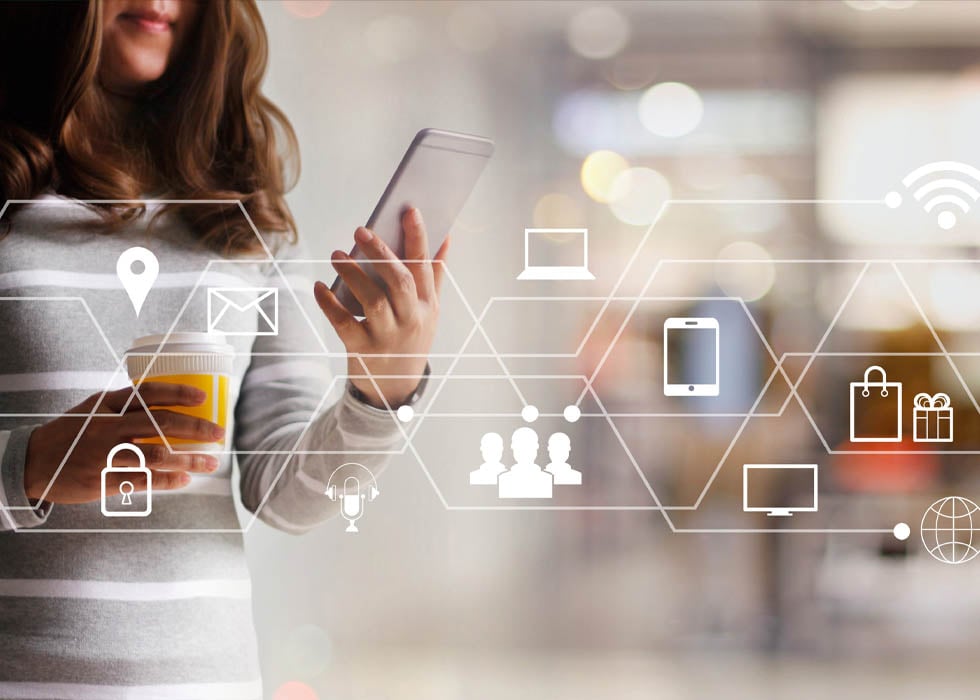
We rarely think about tactile sensations when we think about our digital experiences, yet they’re one of the most powerful ways our electronic devices communicate with us. Subtle vibrations, gentle pulses, and physical cues guide us through our interactions every day, from the buzz of a text message to the rumble of a game controller and the vibrations we feel on our smartwatch.
These sensations are known as vibration feedback, and they prompt us to perform tasks or become aware of specific conditions. Read on to learn more about vibration feedback, how it works, and how it’s used.
Interested in what’s new in the world of immersive experiences? Check out our new channel on AVIXA Xchange!
AVIXA Xchange
Defining Vibration Feedback (Haptic Feedback)
Vibration feedback, also known as haptic feedback, is the way our devices communicate through physical sensations. These sensations alert us that something has happened or that something needs our attention. These cues help us even when we’re not actively looking at our screens. The vibrations we experience are delivered by internal components in our devices, such as:
- Eccentric Rotating Mass (ERM) Motors: Spin an off-center weight to create simple, consistent vibrations like those we experience with our smartphones.
- Linear Resonant Actuators (LRAs): Produce precise vibrations with controlled frequency and intensity for nuanced feedback in phones, watches, and touchscreens.
- Piezoelectric Actuators: Create complex tactile sensations used in gaming controllers and advanced VR systems for layered, realistic effects.
The type of component a device uses depends on the device itself, its power needs, desired precision, and the kind of information it needs to convey. The feedback that’s delivered can take many forms, from simple notifications to fully immersive interactions used in games and virtual reality devices. Here are three common examples:
- Basic Notification Vibrations Used by Cellphones/Smartwatches/ Other Wearables: Deliver simple patterns that alert users to messages, calls, and reminders.
- Tactile Confirmations Used by Touchscreens and Other Interactive Devices: Provide subtle cues that confirm actions like pressing a physical key on a keyboard.
- Advanced Immersive Haptics Used by Gaming Controllers and VR Devices: Create life-like sensations that simulate movement, textures, and impact in virtual environments.
Fitness and health monitoring devices use vibrations to signal health issues, such as high glucose levels or cardiac arrhythmia, or to signal that it’s time to exercise, hydrate, rest, and perform other wellness-focused activities.
Applications of Vibration Feedback
Vibration feedback enables us to interact with our devices more efficiently when visual or auditory cues are limited, unreliable, or otherwise impractical. This adds a layer of guidance that improves our usage in applications ranging from everyday consumer tasks to professional healthcare and inclusive design applications.
Haptics in Consumer Electronics
Haptic feedback transforms our routine interactions into sensory experiences that improve usability and engagement so seamlessly that we often take it for granted. Today, the technology is embedded across a wide range of consumer devices:
- Smartphones: For notifications, typing feedback, and gesture-based responses, making digital interactions more tangible.
- Wearables: For alerts, fitness tracking reminders, and health monitoring updates that we discreetly receive without relying on sound or visual cues.
- Gaming Devices: For immersive experiences when using VR gloves and full-body suits to simulate textures, impacts, and environmental conditions.
As haptics technology evolves, it will enhance our interaction with our devices and help products stand out in a competitive marketplace.
Haptics in Automotive
In vehicles, vibration feedback enhances driver safety and confidence, helping us react more quickly and accurately without taking our eyes off the road. With more vehicles on the roads today and touchscreens replacing traditional physical buttons, haptic feedback is essential for maintaining safety on the road. Examples include:
- Lane Departure Alerts: Subtle vibrations signal when a vehicle drifts out of its lane without signaling, helping us stay in our lanes.
- Collision Warnings: Physical alerts cut through noise and distraction, giving us immediate feedback.
- Touch-Sensitive Controls: Confirms each input on our dashboard touchscreens, helping us operate more safely without looking away from the road.
As our vehicles become more automated, the technology will help keep us informed and safer.
Haptics in Healthcare
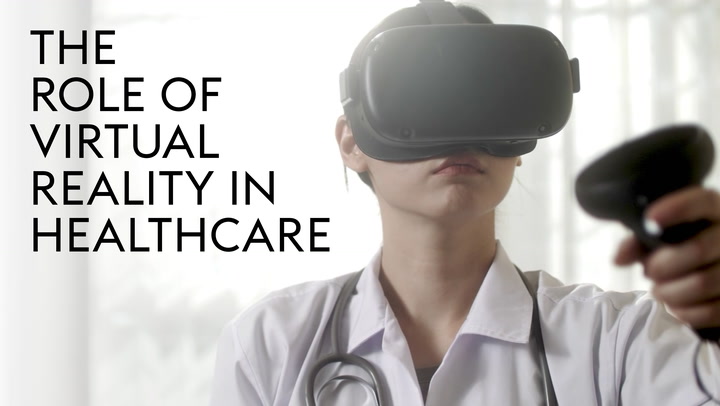
Healthcare applications for vibration feedback range from patient monitoring to advanced surgical training. The tactile cues enhance treatments, therapy outcomes, and medical education, improving patient outcomes, supporting medical training, and enabling new techniques that make medicine more responsive. Examples include:
- Patient Feedback Devices: Alert patients and medical staff to medication schedules and abnormal vital signs, ensuring timely attention and response.
- Physical Therapy: Helps patients perform movements correctly to accelerate recovery and improve outcomes.
- Surgical Training: Replicates physical sensations such as resistance, texture, and tactile sensations, allowing medical staff to practice complex tasks in surgical simulations.
By converting clinical signals into physical sensations, haptics enable medical professionals to increasingly rely on technology to perform delicate procedures while patients benefit from more responsive, personalized care experiences.
Haptics in Accessibility and Inclusive Design
Haptic feedback plays a vital role for people with visual or auditory impairments. For millions worldwide, it serves as a critical bridge to independence and inclusion, providing practical ways to interact with the world. The feedback provides:
- Visual Impairment Support: In smartphones and tablets, provides tactile navigation cues, confirming selections and notifications.
- Hearing Impairment Support: Replaces sound-based alerts, such as doorbells, alarms, and calls, with distinct vibration patterns in homes.
- Assistive Education Tools: Reinforces rhythm, timing, and patterns to support students of all ages and abilities during classroom learning.
From everyday use to specialized applications, these examples demonstrate how haptic feedback promotes inclusivity and independence.
Benefits of Vibration (Haptic) Feedback
By translating digital information into tactile sensations, haptic feedback improves satisfaction, safety, accessibility, and precision for users across all industries, providing these benefits:
- Enhanced User Experience: Makes interactions intuitive, engaging, and responsive, improving satisfaction with our digital devices.
- Improved Accessibility: Provides alternative feedback methods for users with disabilities, promoting inclusivity and independence.
- Increased Safety: Delivers tactile alerts in situations and environments like healthcare and road safety without overloading visual or auditory environments.
- Precision and Control: Enables fine tactile manipulation in gaming, VR, and medical applications, improving accuracy and confidence.
The impact of haptics in enhancing usability, safety, accessibility, and precision makes it a compelling way to enrich experiences across virtually all walks of life.
The Future of Vibration Feedback
The next generation of haptic technology will move beyond simple vibrations, creating breakthroughs that include AI-driven, personalized experiences. From touchless sensations to full-body wearable suits, these innovations are set to transform how we interact with all our digital devices.
Haptic Advancements
Haptic technology continues to evolve rapidly, with breakthroughs that make tactile experiences more realistic, immersive, and versatile than ever before. These advances include:
- Ultra-Precise Haptics: Create highly detailed tactile sensations that feel increasingly realistic.
- Mid-Air Haptics: Use focused ultrasound waves to create tactile sensations without physical contact.
- Wearable Haptic Suits: Deliver full-body feedback for VR experiences, professional training, and remote robotic operation.
These innovations will deliver quantum leaps in having once impossible experiences.
Potential Industries for Haptic Integration
Many industries stand to benefit from the technology. By adding the sense of touch to everyday digital interactions, haptics opens new possibilities for more immersive, precise, and effective experiences across various sectors:
- Virtual Reality: Creates realistic, immersive simulations that engage a rich realm of tactile sensations.
Robotics and Remote Operations: Enhances operator precision and situational awareness. (Think robotic-assisted minimally invasive surgery.) - Education and Training: Provides interactive tactile learning for professional skills and rehabilitation.
- Remote Work: Improves collaboration and responsiveness through vibrating alerts for tasks, deadlines, meeting times, feedback, etc.
Recommended Reading: Wearable Tech in the Workplace
Each industry stands to benefit from haptic integration, with applications ranging from remote surgery to immersive distance learning experiences.
The Integration of Haptics with AI
Artificial intelligence is making haptic feedback more intelligent and personal. By analyzing user behavior, context, and sensitivity, AI will enable smarter, more responsive interactions that enhance comfort, engagement, and effectiveness. Key applications include:
- Adaptive Intensity and Patterns: Adjusts vibrations to user preferences and environmental surroundings.
- Predictive Alerts: Determines optimal timing for notifications.
- Customized Experiences: Tailors tactile interactions for gaming, training, and accessibility applications.
Machine learning algorithms will continuously optimize haptic responses, creating more personalized and effective experiences.
The Growing Role of Haptics in Modern Technology
Going beyond sight and sound, haptic technology provides an additional layer of communication that guides, informs, and immerses users. From improving touchscreen accuracy to simulating textures in virtual reality, haptic-enabled devices enhance usability, accessibility, and overall user satisfaction.
The Future of Touch in Technology
Vibration feedback is reshaping how our digital experiences literally feel to us. As the pace of innovation accelerates, the possibilities for its use are limitless: more realistic virtual experiences, smarter AI-driven feedback, and more inclusive design that make the technology a touchstone for everyone. No longer just a digital enhancement, the technology will play a more important role in how we work, learn, play, and interact in today’s world.
Main photo credit: Getty Images/stockbusters
- Share to Facebook
-
Share to X/Twitter

- Share to LinkedIn
- Share with Email