Whether you're managing projects, designing systems, supporting customers, or leading business development efforts, understanding personality types can be a powerful tool for delivering better project outcomes.
That was the focus of the InfoComm 2026 session, Applying an Understanding of Personality Types to AV Roles, Projects, and Business Relationships, presented by Amanda Beckner of Initiatives in Action and Steve Greenblatt of Control Concepts. Let’s explore key insights from the session, including an introduction to the DISC personality model.
The Four DISC Personality Types
The four DISC personality types are Dominance (D), Influence (I), Steadiness (S), and Conscientiousness (C).
People with a Dominance style tend to be direct, results-oriented, and decisive. Those with an Influence style are often outgoing, enthusiastic, and persuasive. Individuals with a Steadiness style are patient, dependable, and supportive. Meanwhile, people with a Conscientiousness style are analytical, detail-oriented, and focused on quality.
Together, these four styles help describe how people communicate, make decisions, and interact with others. Do any (or several) of these personality types sound like you?
Matching DISC Profiles to AV Roles
Most AV professionals are a blend of personality types. For instance, a project manager may lead with D but rely on C traits when reviewing technical specs. However, if you feel as though you strongly fall under one specific DISC category, these roles might feel like more of a natural fit for you:
D, Natural AV fit: Business ownership, senior leadership, project directors overseeing large-scale integrations
I, Natural AV fit: Sales, account management, pre-sales consulting, business development
S, Natural AV fit: Project coordination, field support, client success roles, operations
C, Natural AV fit: AV programmers, systems engineers, network engineers, technical documentation specialists
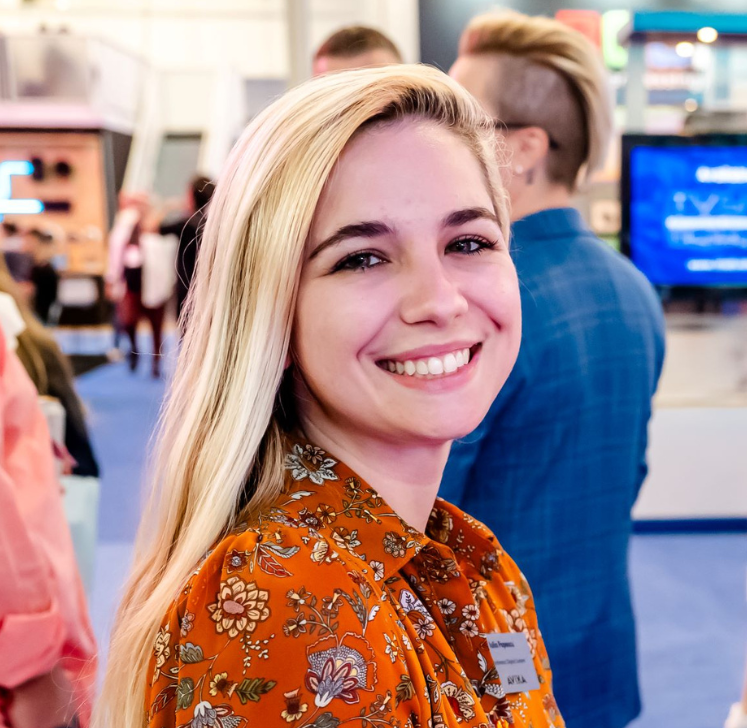
When I personally took the DISC assessment, I was matched with a C personality type, which wasn't much of a surprise. In my current role as Coordinator of Digital Content for AVIXA, being detail-oriented and focused on accuracy is a big part of what I do every day. This doesn’t mean I’ve never been in front of a camera or worked in sales etc., but the task of writing and being behind-the-scenes comes more naturally to me. I find that researching, writing, and developing content are some of the major areas where my strengths shine and where I feel most at home.
Tips to Improve AV Team Collaboration
So, how can understanding your own personality type and the personality type of your coworkers support greater collaboration? Well, imagine this scenario. A project lead is pushing for fast decisions. But you’re a methodical worker who needs time to analyze and test things out before committing to anything. One person is looking for quick results. The other doesn’t want to make hasty decisions that could lead to rework later on. In this situation, it’s easy for tensions to rise.
However, naming these differences can help diffuse tension by shifting the conversation away from any personal judgment. Naming the differences can create understanding, reduce assumptions, and help both styles adapt their communication to work more effectively together. One step further is being aware of these differences from the get-go, which can make projects run even more smoothly.
At IC26, Amanda Beckner's key point was that the AV industry is human-centered, and “meeting people where they are” in their communication style is essential to getting the best from your team and clients.
DISC simply gives teams a shared language. But it’s not the only way for people to understand each other better. Similar assessments include the Myers-Briggs Type Indicator (MBTI), CliftonStrengths, and Predictive Index (PI).
By helping team members understand one another’s behavioral tendencies, assessments like these can build trust and encourage vulnerability. When people recognize how colleagues naturally respond to pressure, communication styles, and decision-making, they're more likely to extend grace under stress and work through challenges with empathy.
Additional tips to improve collaboration include:
Adapting your communication style to your audience.
Recognizing potential sources of tension early.
Encouraging open and honest conversations.
In Closing
AV, at its core, is a people-focused industry. Technical expertise is important, but strong communication skills and an understanding of how others work are often what drives successful teams, projects, and client relationships.
Meeting people where they are and adapting to different communication styles can help reduce friction and create stronger connections across an organization.
The DISC model offers one practical way to build that understanding by giving teams a shared language for discussing behavioral tendencies. Similar tools like MBTI, CliftonStrengths, and Predictive Index serve the same purpose.
Now, it’s your turn to start the conversation with your team. Pick a personality framework, take the assessment together, and see what you learn.