Europe’s Pro AV Market in 2026: Five Forces That Will Change What You Specify

Europe’s pro AV market in 2026 will feel tighter. You will spend less time picking kit and more time proving it will hold up. Clients will ask harder questions early. They want clear answers they can put in a tender.
You will hear the same themes in Germany, the UK, and the Nordics. Where does the data go? Who owns updates? What happens when a product line hits end-of-support? What does the room cost to run for years, not weeks?
These five storylines are already in motion. 2026 is when they become normal on everyday jobs.
1. AI moves from “nice” to “show me the controls.”
AI is now part of daily meeting rooms. It cleans up speech. It frames the camera. It writes a summary. It translates. Most of it ships through updates, not new boxes.
In 2026, buyers will still want those features. They will also want proof that they can control them. The EU AI Act’s main start date is 2 August 2026, with earlier steps already live. Keep the official dates close, because clients will ask you for them. Here is the EU AI Act implementation timeline.
Here is what you will be asked on real projects:
- Does the model run on the device or in the cloud?
- What is stored, and for how long?
- Who can turn features off?
- Can the room still work with AI disabled?
If you cannot answer fast, the deal slows down.
Build a simple “AI facts” page for common room types. Keep the language plain. Make default settings cautious. Offer a clear “AI off” mode. When you do that, AI stops being a trust fight and becomes a clean win you can price.
Recommended Reading: A Practical Guide to Integrating AI into Your AV Business
2. Cybersecurity becomes a pass/fail item in tenders
AV kit lives on networks. In 2026, more buyers will treat it like any other endpoint. That means security review happens before the fun parts of the spec. You will see this most in schools, hospitals, transport, and government. You will also see it in big firms with strict IT rules.
ISE is leaning into this with a CyberSecurity Summit at ISE 2026. It is a loud signal that security now affects tenders and client trust.
For you, the work is not “add a security box.” It is basic discipline. Split AV traffic from other traffic. Avoid shared admin logins. Lock down remote access. Keep a clear update plan. Put it in writing.
If you run AV in-house, be blunt with your teams. You will own patching and access for years. A room that looks perfect on day one can become a risk on day 400. That happens when nobody owns updates, passwords, and device lists.
In 2026, the safer bids will win. “Safe” means you can show what is on the network, how it is set up, how it is updated, and who is on the hook.
3) Accessibility becomes standard AV language
Access needs are no longer an afterthought. They are now written into buying rules. The European Accessibility Act applies to products placed on the market after 28 June 2025, plus certain consumer-facing services. That makes 2026 the first full year where many clients treat this as routine. The scope sits in the European Accessibility Act (Directive (EU) 2019/882).
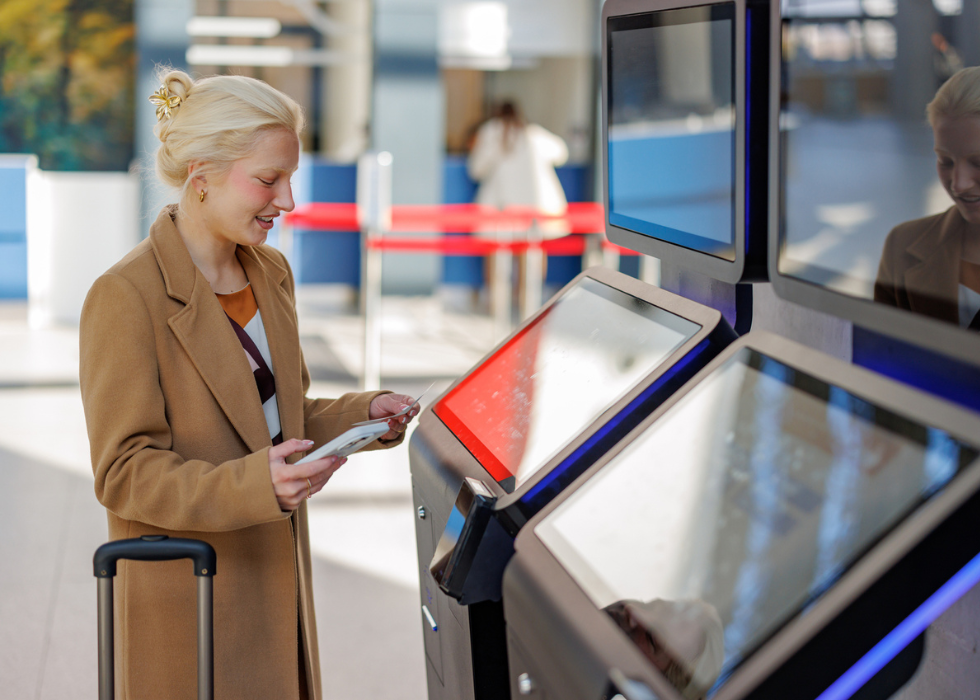
You will feel this in public-facing AV first. Ticketing, wayfinding, and info screens must work for more people. It also lands in meeting rooms. Captions, hearing support, and readable control screens move from “special request” to baseline in many sites.
The trap is late changes. If you wait until handover to think about access needs, you redesign when time is tight. A better move is to add one short check at the design stage. Tie it to room types and endpoints. Make it easy for your client to paste into an RFP. That saves time, and it protects your margin.
4. AV over IP buyers pay more for interop they can prove
AV over IP is not the new story. The new story is exit options. In 2026, buyers will ask: can I swap parts later without a full rip-out? They ask this because budgets are tighter and systems stay in service longer.
This matters on multi-site work. One site may use one integrator. The next site may use another. The client still wants one way to run and support it.
For you, “it works in a demo” is not enough. Clients want proof. They want acceptance tests. They want monitoring. They want clear notes on timing and bandwidth. They want to know what happens when they add endpoints two years later.
If you integrate, build reference builds you can repeat. Test interop in-house before you promise it on site. If you run AV, push for systems you can see and troubleshoot without vendor-only tools. In 2026, “open enough to live with” often beats “clever but closed”.
Photo by Jonas Zürcher on Unsplash
5. Running cost becomes the part of the story that wins budgets
In 2026, many clients will look past sticker price. They will ask what it costs to run the system. They mean power use, support time, and downtime risk.
This hits displays and LEDs hard. A wall is not only capex. It is power draw and heat for years. It also hits room fleets. A hundred meeting rooms mean a hundred sets of updates, user issues, and kit swaps.
You can use this to your advantage. Put simple running-cost ranges in your pack. Be honest. Add a support plan that is easy to run and easy to budget. Show how you avoid site visits and keep rooms up.
Clients trust this when it is grounded in real work. “We cut truck rolls by X” is better than “we offer premium support”. In 2026, bids that show steady operation will beat bids that pile on features.
My verdict: What you should change before 2026 makes it normal
If you want to stay competitive in Europe’s pro AV market in 2026, change what you ship with the system. Put AI data handling into the spec in words your client can reuse. Make cybersecurity a default deliverable with clear ownership. Add a short access-needs check to every room and public-facing endpoint.
Design AV over IP so you can prove interop and support across refresh cycles. Plan and price for running cost, not only kit cost. When you answer these points early, your tenders move faster, your installs run smoother, and your support load drops. Have a fabulous AV2026!
Main photo credit: Nestor Almonia: https://www.pexels.com/photo/empty-sadium-hall-5645997/
- Share to Facebook
-
Share to X/Twitter

- Share to LinkedIn
- Share with Email

.jpg?sfvrsn=b87c272_1)