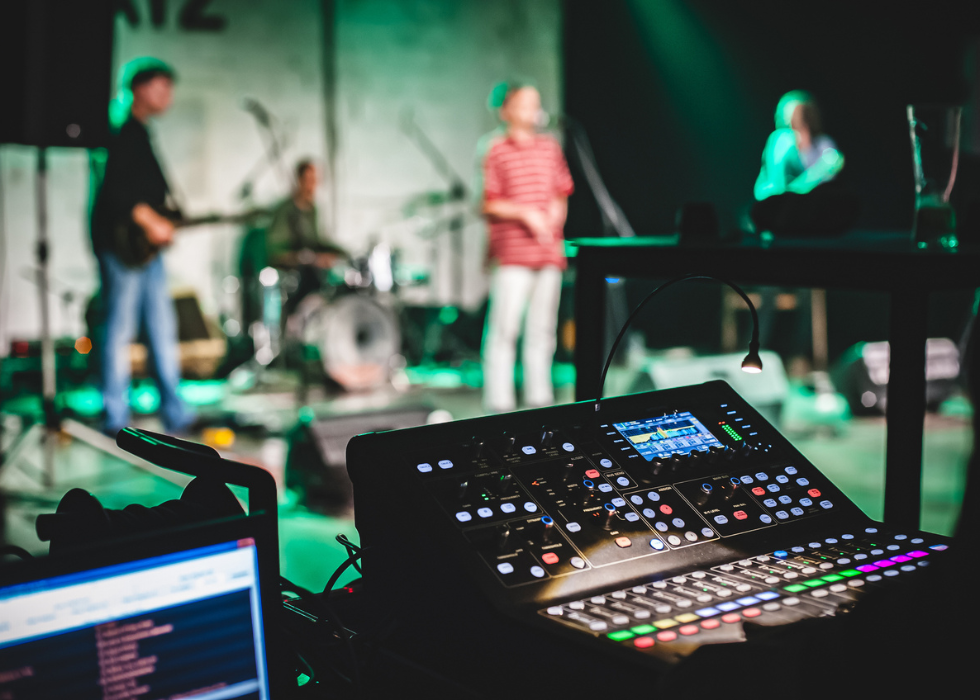
What Does a Live Sound Engineer Do? Skills, Responsibilities, and Career Insights

Imagine a career that gives you a backdoor pass to exciting sporting events, concerts, theatrical productions, and major live shows, and where, in these electric atmospheres, you’re part of what brings these events to life. Every note, every spoken word, and every sound that’s heard depends on your technical artistry. If shaping high-impact experiences like these excites you, live sound engineering may be an ideal career choice. Read on to learn what skills you’ll need and how to develop them.
Introduction to Live Sound Engineering
A live sound engineer designs, operates, and manages the audio for live events such as concerts, theatrical productions, sporting events, and corporate gatherings. Unlike studio engineers who work in controlled environments, live sound engineers operate in live conditions, blending their technical skill, equipment knowledge, and people skills, all while making split-second decisions that leave little room for error.
Key Responsibilities of a Live Sound Engineer
A live sound engineer manages many responsibilities to keep an event running smoothly. Before the event, they design and test the sound system to suit the venue and production. Once the show begins, they oversee the live audio to ensure consistent clarity and cohesiveness. The role includes equipment setup, sound mixing, troubleshooting, and close collaboration with performers, producers, and behind-the-scenes teams.
Equipment Setup and Testing
Before the event comes to life, a live sound engineer prepares the entire audio landscape by configuring its various components. This includes testing and positioning the microphones, speakers, monitors, mixers, signal processors, and other equipment. Once this gear is in place, they perform a sound check to fine-tune the equipment to the venue's specific acoustics, adjusting and balancing every piece of equipment so the entire system works in harmony.
Sound Management
During the event, their ears are their most important asset. They monitor and adjust all the audio effects to maintain clarity and balance, listening to the vocals, instruments, and ambient sounds to get them just right. They also have to be quick, anticipating, and preventing volume spikes and drops before the audience notices.
Troubleshooting Audio Issues
Unlike working in a controlled studio, working as a live sound engineer is full of unknowns. Live sound engineers must be able to quickly identify and resolve issues such as equipment failures, loose cables, and ambient noise that can derail the event. When an immediate fix isn’t possible, they rely on their experience and judgment to switch to the backup system in place.
Stakeholder Collaboration
Equipment knowledge and technical skill are only one part of the job. These professionals must also be effective communicators, serving as liaisons between the talent (whether a rock-and-roll group, a world-class golfer, or a prominent CEO), the audience, and the various crews working behind the scenes. This involves communicating with event managers, directors, lighting and video teams, and others to ensure all aspects of the event are in sync.
Essential Skills for Live Sound Engineers
Success as a live sound engineer requires hard and soft skills such as the following:
- Technical Expertise: Knowledge of signal flow and digital systems to operate equipment across indoor and outdoor venues of different types.
- Problem-Solving: Ability to identify and resolve unexpected issues on the fly while staying calm under pressure.
- Communication: Proficiency in explaining technical information clearly to event talent and organizers to prevent mishaps.
- Teamwork: Know-how to coordinate closely with other crews, including lighting and staging departments.
- Attention to Detail: Ability to balance all types of audio issues to ensure the sound is clear and consistent for every listener.
Tools and Equipment Used by Live Sound Engineers
In addition to the skills just listed, live sound engineers must be well schooled in using the following types of equipment:
- Mixing Consoles: For blending all audio sources, including the vocals, instruments, and effects, so the sound is balanced for both the audience and the event’s talent.
- Amplifiers and Equalizers: For adjusting sound levels and tone to keep the audio clear and distortion-free while adapting to the specific acoustics of the venue.
- Microphones, Monitors, and PA Systems: For ensuring the talent can hear themselves clearly and the audience experiences high-quality sound, by choosing specific microphones, monitors, and speakers and positioning them properly.
- Digital Audio Workstations (DAWs) and Software: For creating pre-recorded cues and applying sound effects in real time to keep everything in perfect sync with the live performance.
How to Become a Live Sound Engineer
Becoming a live sound engineer takes training, commitment, and a passion for orchestrating an event’s audio landscape behind the scenes. Before landing your first job, you’ll want to focus on these three steps:
- Pursue Education and Training: Start by diving into audio engineering programs, workshops, and certifications to gain an understanding of basic sound theory, electronics, and modern digital production techniques.
- Gain Hands-on Experience: Don't wait for the perfect job to start learning. Volunteer to run sound for local community theaters, houses of worship, or small charity events. This low-stakes environment is where you'll build your confidence, learn to troubleshoot under pressure, and get your first real taste of managing a live event.
- Build a Portfolio and a Professional Network: Document your projects and connect within the broader professional community. Join professional associations like the National Association of Broadcasters (NAB) and make a point of attending their events and conventions.
Challenges of the Job
While the excitement of working on live productions is high, the demands of the role are equally demanding. In addition to the technical mastery that’s required, working as a live sound engineer requires a high level of mental and physical resilience to handle the unexpected under pressure. Live sound engineers must be adept at navigating these and other conditions:
- Performance Pressure: Working in real time leaves no room for error. During a live speech or a concert, something as simple as a muted microphone or one that’s live at the wrong moment can disrupt the experience for attendees and viewers.
- Unpredictable Variables: Live sound engineers must respond to changing venue acoustics, equipment issues, and last-minute conditions on the spot. An outdoor event may face sudden rain or wind, for instance, which requires immediate adjustments to maintain sound quality.
- Physical Demands: Setting up, tearing down, and moving heavy equipment requires a good deal of strength, often over long hours on site, while maintaining careful attention to every detail.
- Interpersonal Dynamics: High-pressure environments demand professionalism and emotional intelligence, particularly when working with big egos at high-stakes events, where confidence and diplomacy are needed to deal with these strong personalities.
Career Opportunities and Growth
Live sound engineers get to work at concerts and music festivals, theater productions and touring shows, corporate events, conferences, trade shows, and more. Other opportunities include providing sound for houses of worship, sporting events, live broadcasts, and educational programs, offering a wide range of opportunities for those who enjoy variety.
Building a portfolio allows those starting in the profession to showcase their work, demonstrate their skills, and highlight their experience on different types of productions. Having a robust portfolio can help expand a professional network and open the doors to higher-profile projects.
Once experienced, live sound engineers can transition into specialized careers and leadership roles, such as studio engineering, production management, systems design, and technical consulting. These paths provide opportunities for professional growth, deeper expertise, and involvement in major international productions.
Conclusion
A career as a live sound engineer can position you as the architect of an event’s total sound experience. You’ll combine your technical mastery and creative instincts to create the sound stage for different types of events and audiences.
Whether you’re working behind the scenes at a rock band’s performance in an intimate theater, making sure every note at a symphony orchestra reaches each seat in a concert hall, or delivering a CEO’s message at a global conference, you’re the unseen force that makes it all possible, and you’ll get a backstage pass to some of the most exciting events around.
Photo credit: Getty Images / guruXOOX
- Share to Facebook
-
Share to X/Twitter

- Share to LinkedIn
- Share with Email