
We’re Long Past BYOD—Here’s why I say so.
Personally, I believe we’ve moved far beyond the traditional idea of BYOD.
Let’s break it down by considering two typical scenarios in enterprise meeting rooms: employees and visitors.
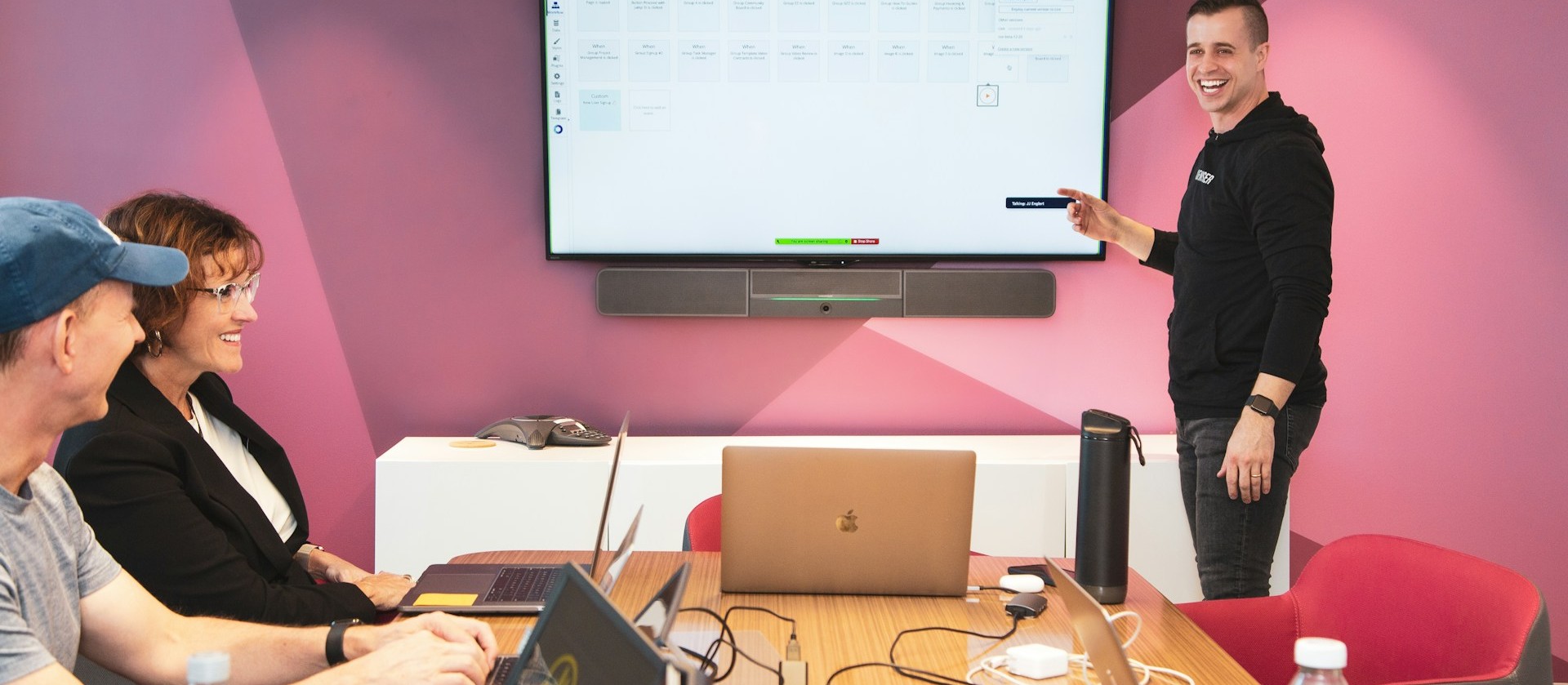
Wired screen sharing was challenging before wireless streaming tools
1. Employees
BYOD (Bring Your Own Device) originally meant using your personal device for work. But in most of the companies I know, that’s no longer the case. Organizations don’t rely on employees bringing their own gear to access corporate resources. Instead, they prefer to provide managed laptops—and in some cases, smartphones as well.
So, technically speaking, it’s rarely ever Your Own Device.
Beyond that, all corporate collaboration and communication now happens through UCC platforms (Unified Communications & Collaboration), where each employee has a unique digital ID.
In this model, content sharing or "bringing a meeting" into a room is less about plugging in a device and more about pairing your user ID with the room system—whether that’s from your assigned laptop or mobile device.
Once connected, everything else follows: your content, your calendar, your contacts, your meetings...
That’s why the real game today isn’t about Bring Your Own Device, but rather:
Bring Your Own ID.
2. Visitors
Now here’s where the original concept of BYOD still applies: visitors.
They arrive with their own unmanaged, non-corporate devices. Supporting them effectively means offering flexible connection options—each with its pros and cons:
Physical connections
HDMI and USB-C are essential (at least for the near term), until USB-C finally becomes universal. But let’s face it—ports and cables don’t last forever. Connectors wear out or get damaged, whether on the device side or the cable end. It's a simple but fragile option.
I personally propose this option to always be available, but dedicated to visitors and used only as a last resort.Wireless sharing
This is a well-known, widely supported approach. Most modern devices offer native screen-sharing capabilities, and many room systems can receive these through built-in protocols or proprietary apps. For casual visitors, it’s often the fastest route to get content up on screen.Wireless BYOM
Not my personal favorite. It enables visitors to run the meeting from their own device using their own UCC platform, but the process can be clunky. It usually requires proprietary apps, driver installations, and a strong Wi-Fi connection. Audio/video lag is common—and frustrating.Modern UCC platform flexibility
Here’s where things shine. Most leading UCC solutions now support guest access and cross-platform interoperability. A visitor can share their screen directly through the room’s platform—often from just a web browser, no install required.
Even better, many platforms support third-party invites (e.g., a Teams call inside a Zoom Room), making the system adapt to the visitor instead of the other way around.
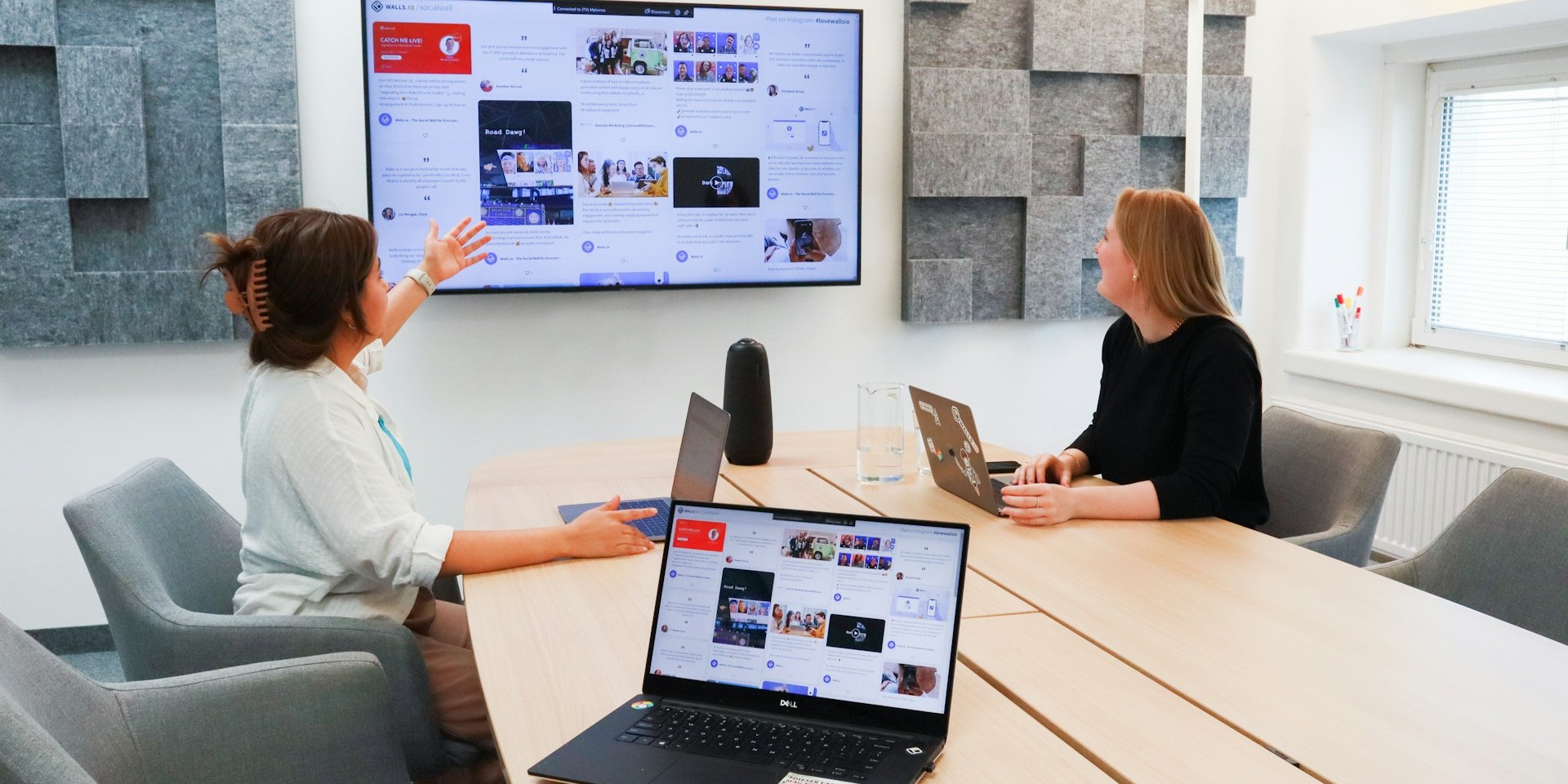
No matter the device more than the user ID or browser enabled tools.
In other words, modern meeting rooms aren’t just about ports and protocols anymore—they’re about connecting people's profiles and content, securely and seamlessly, no matter what device or platform they bring.
What's your experience?
Do you have a different perspective?
PS: This reflection is based on a post I wrote a while ago in Spanish. While it was born in another language, I think the message still holds true.